The Cost of Conflict Avoidance and How to Address It

Girl running away

Conflict is an inevitable part of life. Whether at work, in relationships, or within ourselves, disagreements and tensions arise. Yet, many people instinctively avoid conflict, seeing it as a threat to harmony or an invitation to discomfort. While conflict avoidance can sometimes prevent unnecessary drama, it often leads to unresolved issues, resentment, and missed opportunities for growth. This article delves into the psychology of conflict avoidance, its pros and cons, and actionable strategies for confronting conflict in a healthy and constructive way.


Read MoreThe Cost of Conflict Avoidance and How to Address It

Why Nice People Finish Last: A Deep Dive into the Hidden Truths of Niceness

Man helping another to climb

In a world that values kindness and empathy, it's paradoxical that the phrase "nice guys finish last" still resonates. It suggests that being nice—thoughtful, selfless, and considerate—can lead to being overlooked, undervalued, or even exploited. But is this sentiment true? And if so, why does it happen? This article unpacks why nice people often find themselves in the shadows, the psychological and social dynamics behind this phenomenon, and how to balance niceness with assertiveness to avoid finishing last.

Read MoreWhy Nice People Finish Last: A Deep Dive into the Hidden Truths of Niceness

Ego’s Role in Your Life: How It Helps and Hurts

Man with boxing gloves

Ego often gets a bad rap, frequently being associated with arrogance, selfishness, or overconfidence. But the truth is, the ego plays a significant role in shaping who we are and how we navigate the world. When balanced, the ego can be an ally that fuels confidence and ambition. When left unchecked, however, it can lead to destructive behaviors and harm our relationships. Understanding the ego's dual nature is essential for personal growth, fostering healthy relationships, and achieving success without losing touch with humility. In this article, we'll explore what the ego is, how it can be both helpful and harmful, and how to manage it effectively to lead a more fulfilling life.

Read MoreEgo’s Role in Your Life: How It Helps and Hurts

How to Stop Getting Triggered Easily: A Guide to Emotional Resilience

Woman upset

Have you ever found yourself reacting strongly to a comment, situation, or event, even when others seem unaffected? These emotional reactions, often referred to as "triggers," can leave us feeling out of control and drained. Triggers are essentially emotional wounds or vulnerabilities that, when touched, bring out an intense response. Learning how to manage triggers isn't about ignoring emotions but about building emotional resilience and maintaining peace of mind. This guide will help you understand triggers, why they happen, and how you can stop getting triggered easily to lead a more balanced and fulfilling life.

Read MoreHow to Stop Getting Triggered Easily: A Guide to Emotional Resilience

Kindness in the Modern Day: Why It Matters and How to Practice It

Helping hand

In today's fast-paced, technology-driven world, acts of kindness can feel like a rarity. With constant distractions, stress, and societal pressures, simple gestures like a smile, a kind word, or a helping hand are often overlooked. Yet, kindness remains a cornerstone of human connection, personal fulfillment, and societal harmony. Kindness is more than just being polite—it's an intentional act of compassion that uplifts others and creates ripples of positivity. This article explores the role of kindness in modern society, why it matters now more than ever, and how we can practice it meaningfully in our daily lives.

Read MoreKindness in the Modern Day: Why It Matters and How to Practice It

Identifying Your Traits: A Journey to Self-Awareness

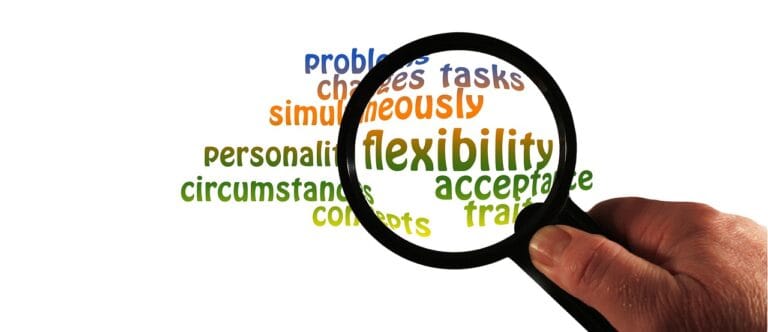
Using magnifying glass to examine words

Have you ever wondered what makes you "you"? Identifying your traits—your unique characteristics, habits, and tendencies—can be a game-changer in understanding yourself better. Traits are the building blocks of your personality, influencing how you think, feel, and act. Recognizing them not only boosts self-awareness but also helps you unlock your full potential. In this article, we'll explore what traits are, why identifying them matters, and how to uncover your unique qualities. Whether you're trying to grow personally, excel professionally, or improve relationships, understanding your traits is a powerful first step.

Read MoreIdentifying Your Traits: A Journey to Self-Awareness

Overcoming the Fear of Mediocrity: Embrace Your Unique Path

Nutcrackers

In a world that celebrates success and achievement, the fear of mediocrity can be overwhelming. This fear, often described as a nagging worry about being "average" or not standing out, can push individuals to overwork, self-doubt, and burnout. It's the voice in your head that says, "What if I'm not good enough? What if I don't leave a mark?"

While striving for excellence is admirable, letting the fear of mediocrity control your life can hinder growth, creativity, and happiness. This article explores the roots of this fear, its effects, and practical strategies to overcome it. By learning to embrace your unique path, you can shift your focus from external validation to a more fulfilling, authentic life.

Read MoreOvercoming the Fear of Mediocrity: Embrace Your Unique Path

Relationship Conflict: Navigating Challenges with Care and Communication

Couple fight

Conflict is an inevitable part of any relationship. While many disagreements can be resolved through open communication and compromise, some conflicts don’t have a clear solution. These unresolved differences might stem from deeply held values, differing perspectives, or personal preferences that are unlikely to change. The good news? Unresolved conflicts don’t have to damage your relationship. Learning how to end a conflict constructively—even when it can’t be fully resolved—can prevent resentment, preserve mutual respect, and keep your connection strong. This article will explore strategies to navigate unresolved disagreements with care, understanding, and emotional maturity. Because sometimes, agreeing to disagree is the healthiest way forward.

Read MoreRelationship Conflict: Navigating Challenges with Care and Communication

Toxic Positivity: When Optimism Goes Too Far

Celebrating a win

Positivity is often seen as a virtue—a way to maintain hope and resilience during tough times. But what happens when the pursuit of positivity becomes excessive or harmful? Enter toxic positivity, a phenomenon where the pressure to maintain a positive outlook invalidates genuine emotions and creates an unhealthy relationship with discomfort and adversity. Toxic positivity isn't just about forcing a smile or "looking on the bright side." It's about denying the complexity of human emotions, brushing aside struggles, and ignoring the lessons that come from pain. This article explores the signs, dangers, and ways to avoid toxic positivity while still fostering a healthy, balanced mindset.

Read MoreToxic Positivity: When Optimism Goes Too Far

Mastering the Art of Reframing: Transforming Challenges into Opportunities

A telescope

Life is full of unexpected challenges, from professional setbacks to personal struggles. While these obstacles can feel overwhelming, the way we interpret them often determines their impact on our well-being. This is where the art of reframing comes in—a powerful mental skill that allows us to see problems from a new perspective, transforming difficulties into opportunities for growth. Reframing is not about ignoring reality or pretending everything is perfect. Instead, it's about shifting your mindset to focus on the possibilities hidden within hardships. In this article, we'll explore the concept of reframing, its benefits, and practical ways to apply it in your daily life. By mastering this skill, you can enhance your resilience, boost your creativity, and approach life's challenges with a renewed sense of purpose.

Read MoreMastering the Art of Reframing: Transforming Challenges into Opportunities